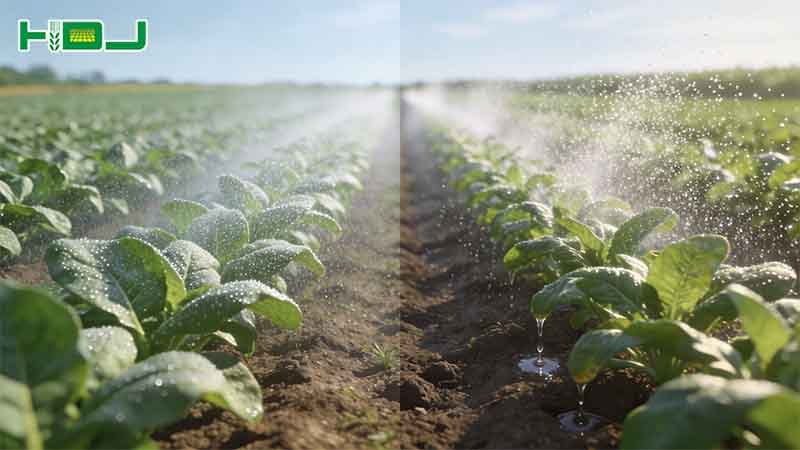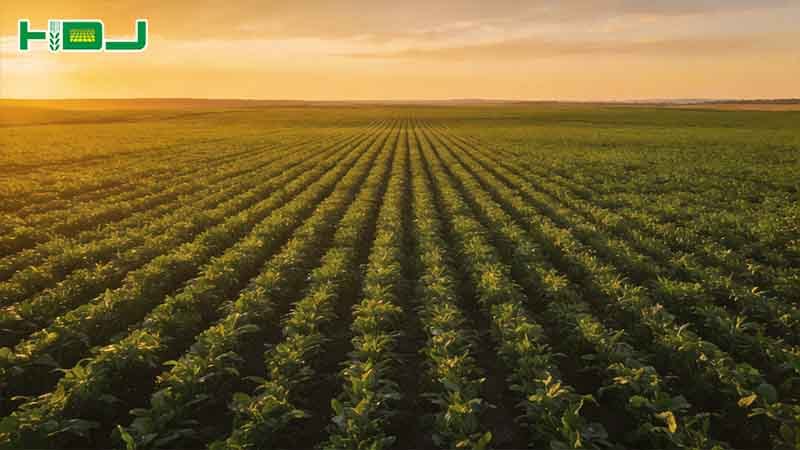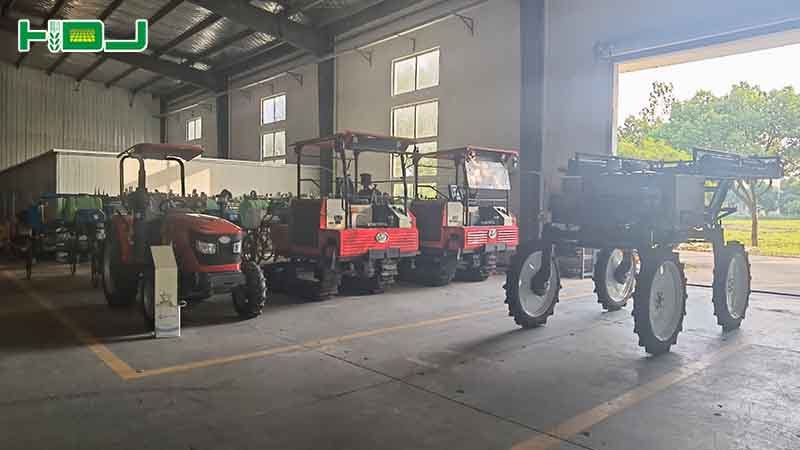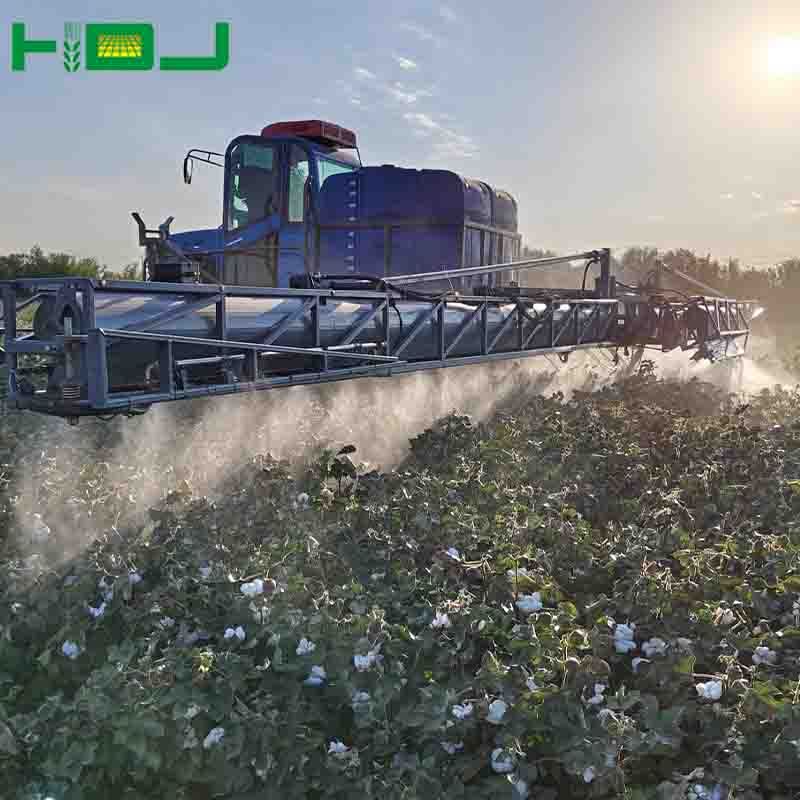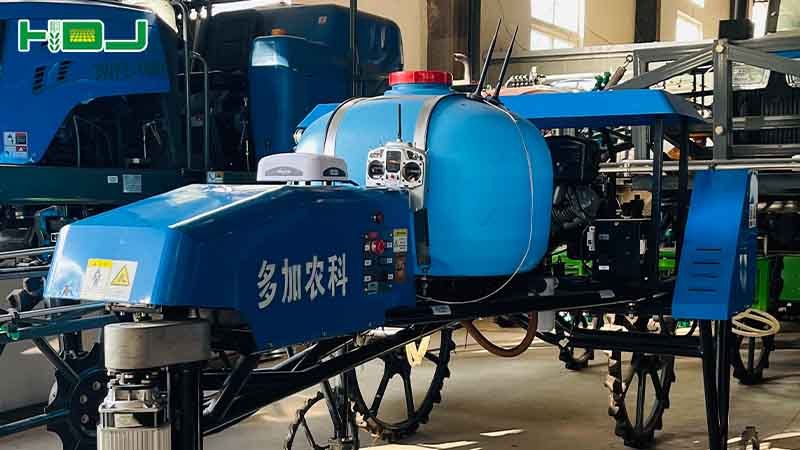
Agricultural sprayers are used to apply crop protection products across a wide range of farming operations. For professional buyers, however, choosing an agricultural sprayer is not simply a matter of selecting a machine with a suitable tank or boom width. The spraying system must match the crop, field conditions, application requirements, machine mobility, control method and overall farm operation.
Different farm sprayers are designed around different operating environments. Self-propelled machines can support field operations where mobility and machine integration are important, while remote-control sprayers and spraying robots can provide alternative operating approaches for specific terrain or management requirements. Precision spraying systems can further improve control over application parameters.
This guide explains the main types of agricultural sprayers, how their spraying systems work, where different configurations may be appropriate, and what international buyers should evaluate before purchasing agricultural spraying equipment.

What Is an Agricultural Sprayer?
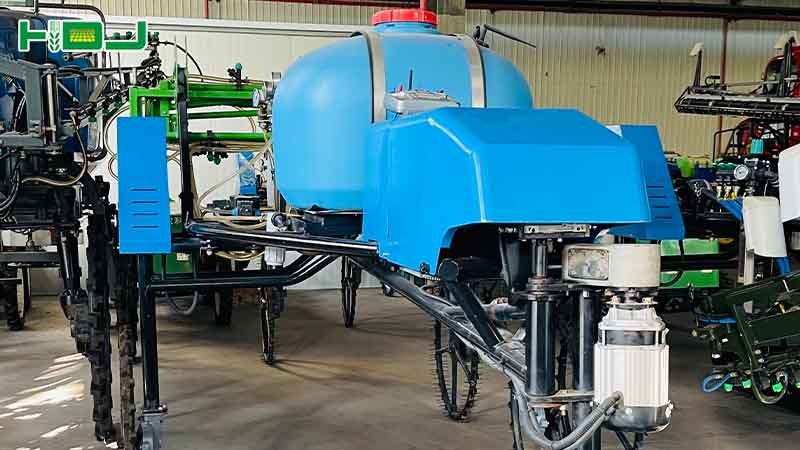
An agricultural sprayer is a machine or equipment system designed to distribute liquid agricultural products over crops, soil or other designated areas. In crop protection operations, the spraying system normally combines a liquid supply system, pump or pressure source, flow-control components, delivery lines, nozzles and a machine or platform for field operation.
The basic objective is to deliver the required spray to the intended area with appropriate coverage and application consistency.
The overall performance of a sprayer therefore depends on more than the machine itself. The application system, nozzle configuration, flow control, pressure management, travel conditions and crop structure all influence the final spraying result.
For professional agricultural machinery buyers, the key question is not simply:
Which agricultural sprayer is the largest?
A more useful question is:
Which spraying system matches the crop, application task and operating environment?
How Agricultural Sprayers Work
Although machine configurations vary, a typical agricultural spraying system follows a basic operating sequence:
Liquid supply → pumping or pressurization → flow control → delivery system → nozzles → spray application
The liquid is stored in a tank or other supply system and delivered through the spraying circuit. Flow and pressure are managed according to the equipment configuration. The spray liquid then reaches the nozzles, which convert the liquid into droplets for application.
The machine platform determines how the spraying system moves through the agricultural environment.
This creates several interconnected technical considerations:
The machine platform affects mobility and field access.
The spraying system controls how liquid reaches the application points.
The nozzles influence spray formation and distribution.
Flow and pressure control affect application consistency.
Variable-rate or PWM technologies can provide additional control where the equipment is designed for those functions.
The boom or delivery arrangement determines how the spray system is positioned relative to the crop.
A sprayer should therefore be evaluated as an integrated agricultural machinery system rather than as an isolated tank-and-boom assembly.
Main Types of Agricultural Sprayers
There is no single agricultural sprayer configuration suitable for every farm. Different machine architectures address different operating requirements.
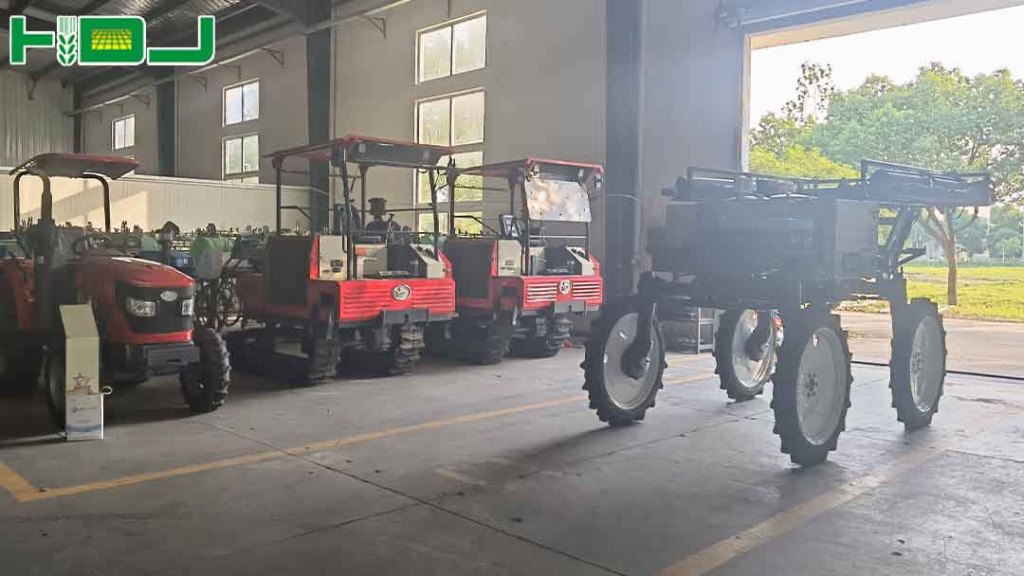
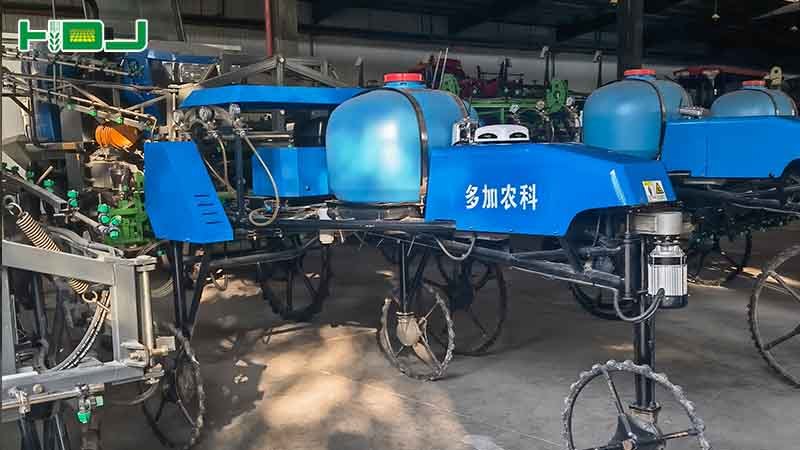
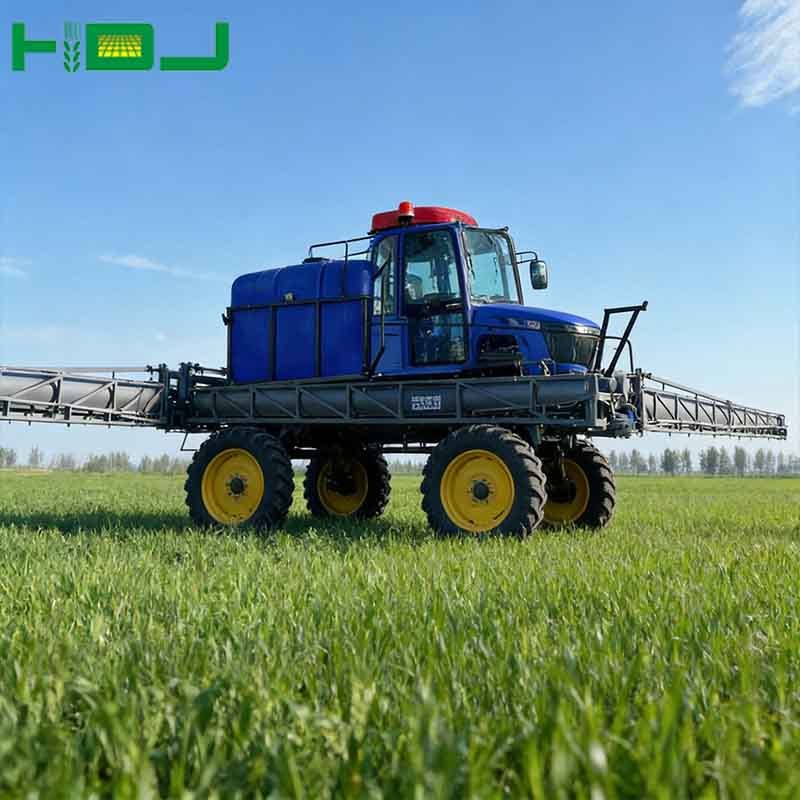
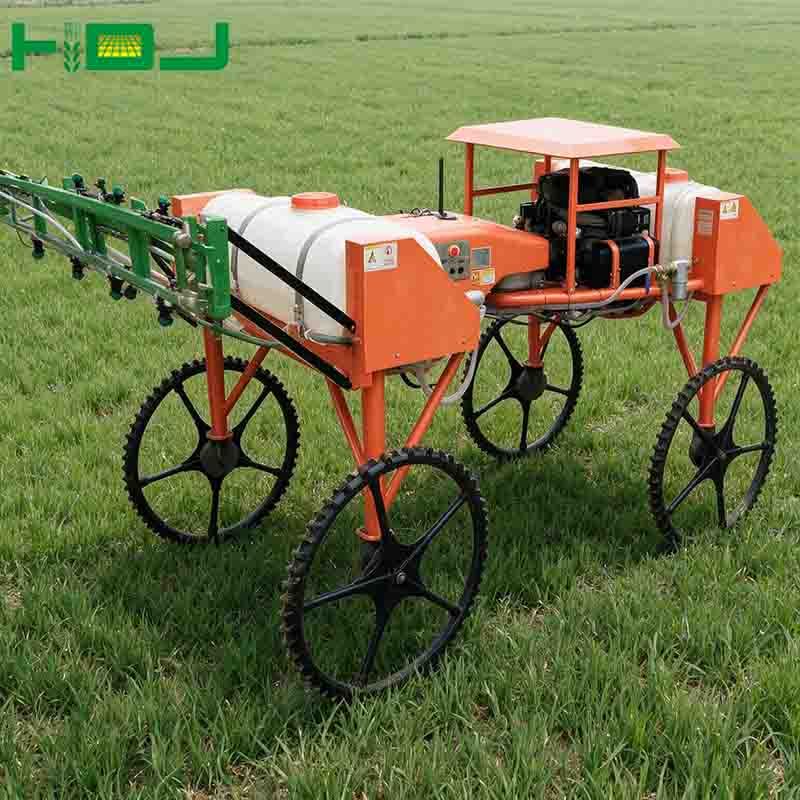
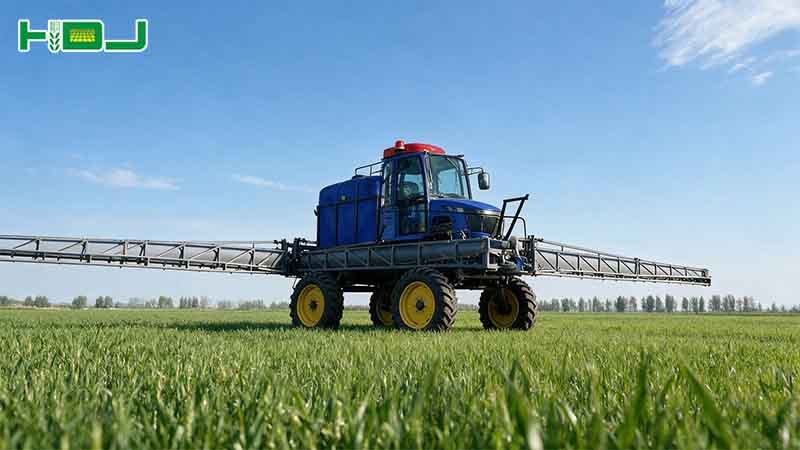
Self-Propelled Sprayers
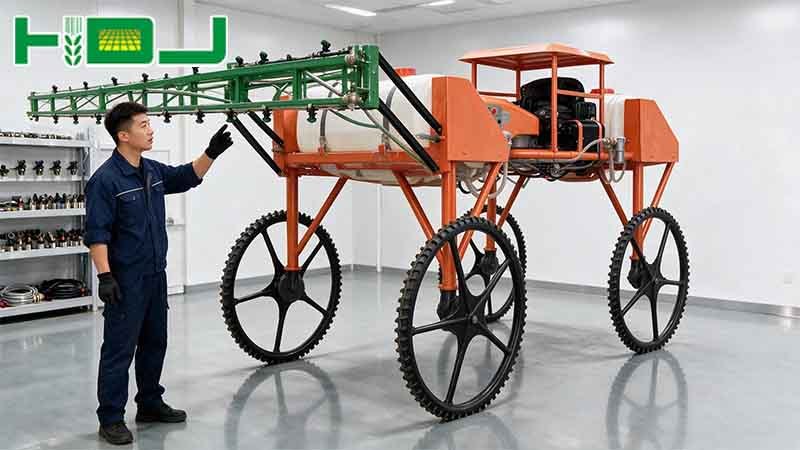
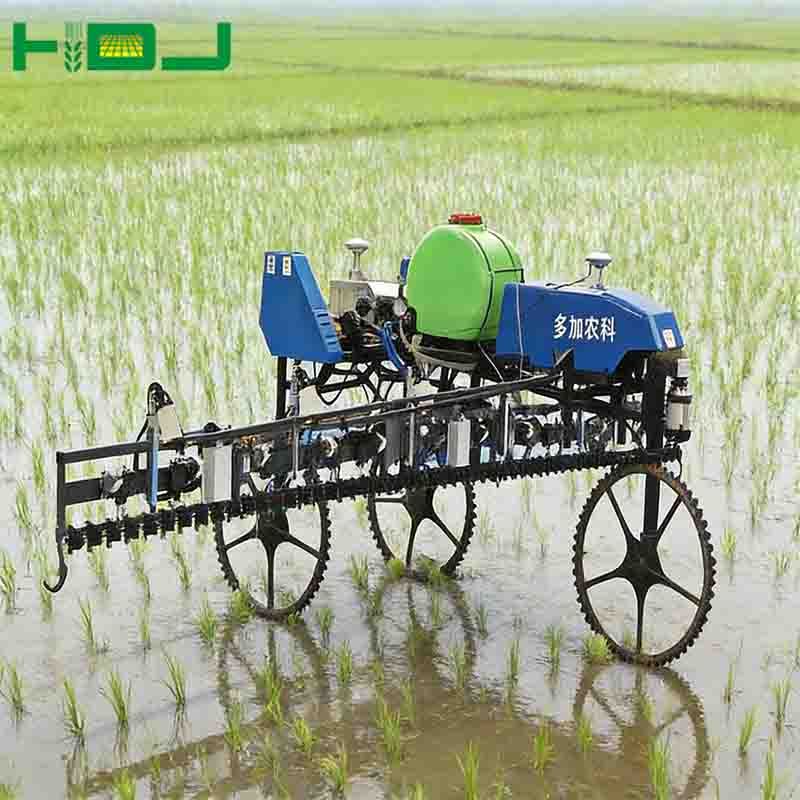
Self-propelled sprayers integrate the spraying equipment with a dedicated agricultural vehicle. The machine carries the spraying system and moves independently through the field.
This configuration can be suitable for operations where the buyer needs an integrated spraying machine rather than an implement that depends on another tractor or platform.
When evaluating a self-propelled agricultural sprayer, buyers should consider:
Field size and operating pattern
Crop structure
Terrain and field accessibility
Required mobility
Spray system configuration
Control requirements
Maintenance access
Compatibility with the intended agricultural operation
The appropriate configuration depends on the actual field environment rather than machine size alone.
Boom Sprayers
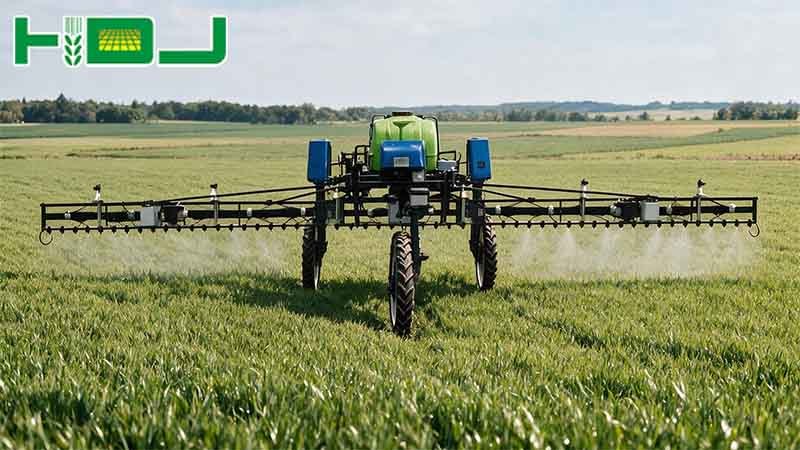
Boom sprayers distribute spray through multiple nozzles positioned along a boom. They are commonly associated with field crop spraying because the delivery points can be arranged across a relatively wide working area.
A boom sprayer should be evaluated according to the relationship between the machine, boom, nozzles and crop.
Important considerations include boom stability, nozzle arrangement, spray distribution, operating conditions and the ability to maintain consistent application across the working area.
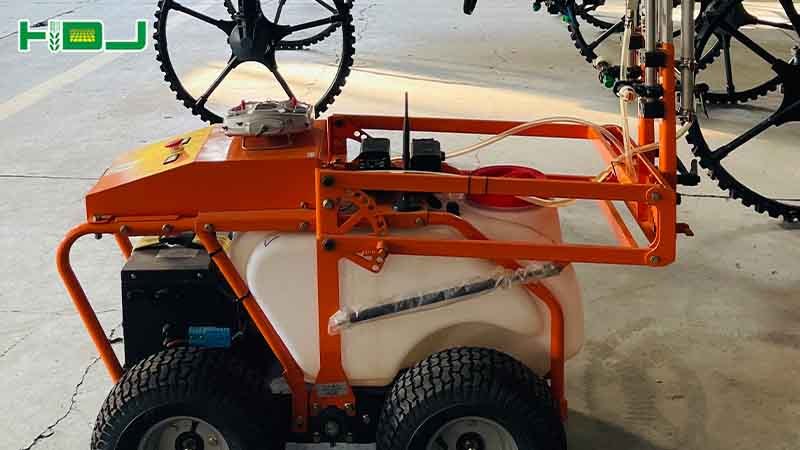
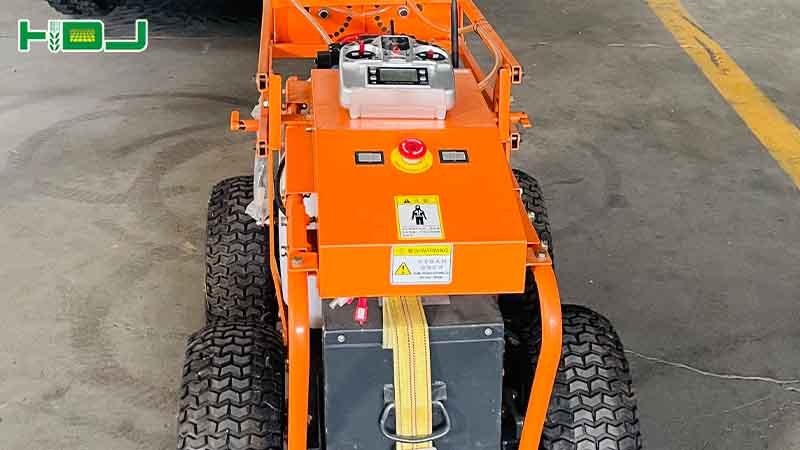
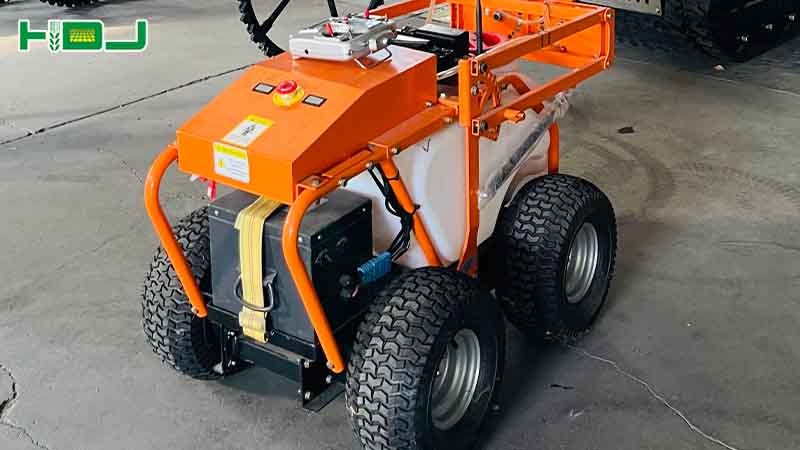
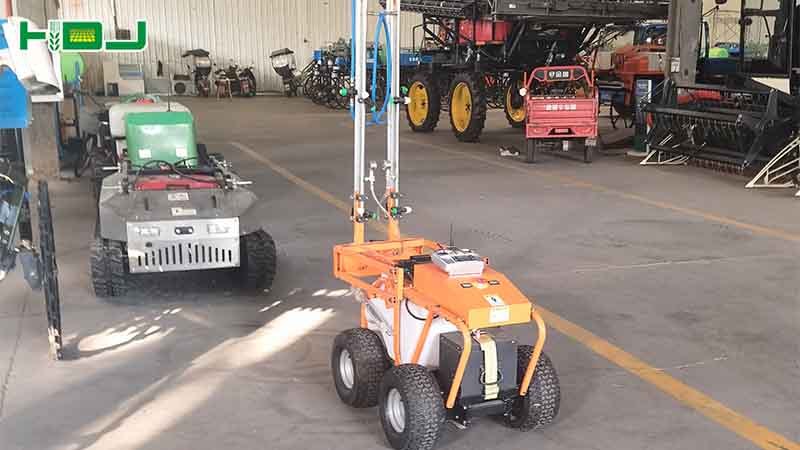
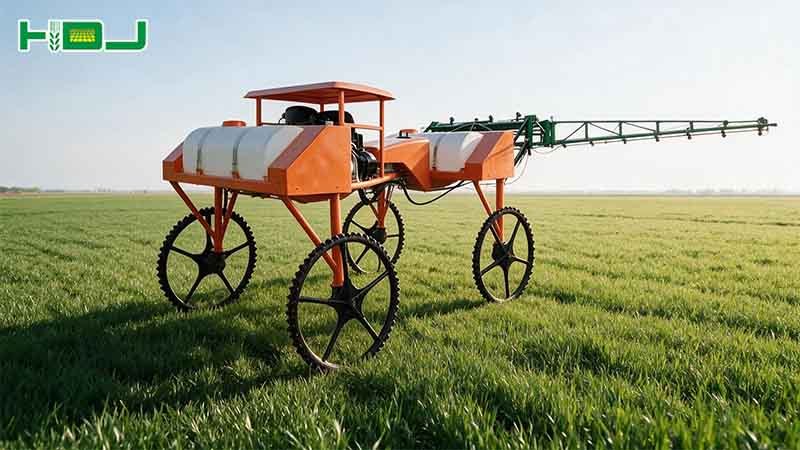
Remote-Control Sprayers
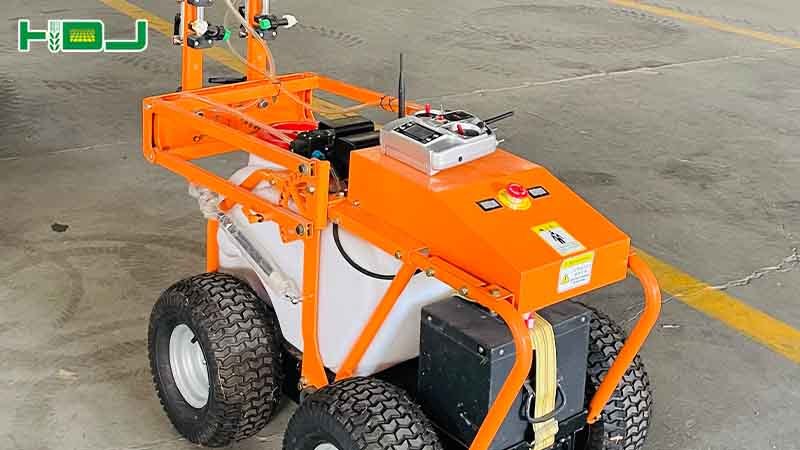
Remote-control sprayers allow the operator to control the machine without continuously occupying the vehicle during operation.
This type of agricultural sprayer may be relevant where the operating environment makes remote machine control useful. The suitability of a remote-control sprayer still depends on field conditions, crop characteristics, machine configuration and the specific operation.
Duojia's current product portfolio includes remote-control agricultural sprayers as part of its agricultural machinery range.
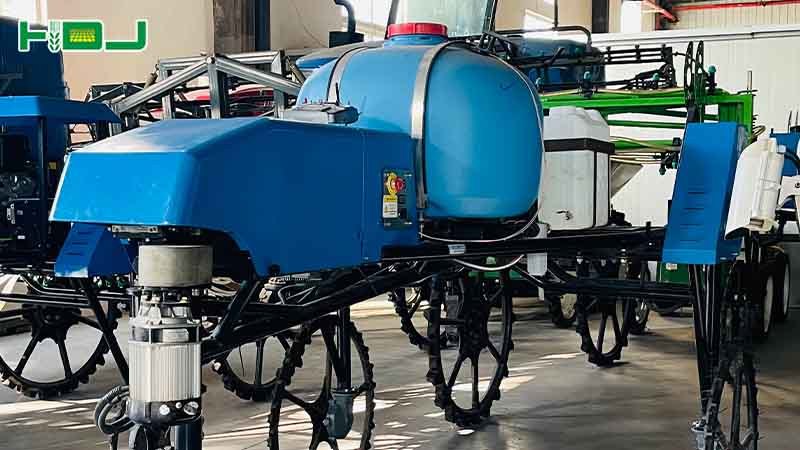
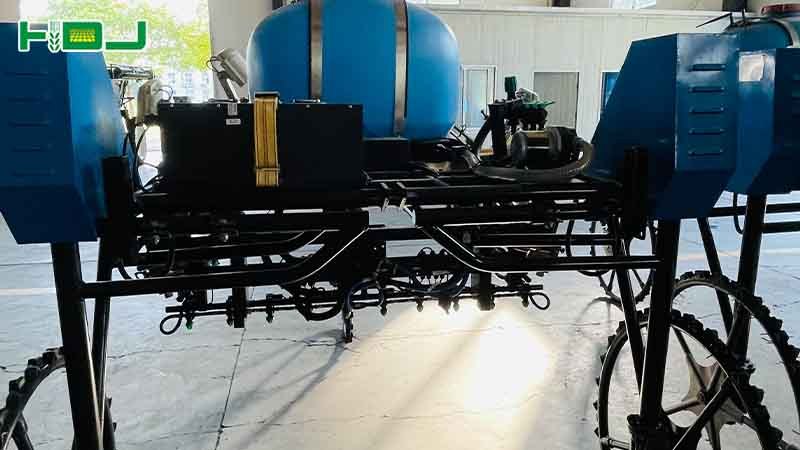
Unmanned Boom Sprayers
Unmanned boom sprayers combine a boom spraying configuration with an unmanned operating concept.
For buyers considering this type of equipment, it is important to distinguish the machine's operating method from the spraying technology itself. Unmanned operation does not automatically determine spray quality. The spraying system, nozzle configuration, control architecture and field conditions remain important.
Duojia lists unmanned boom sprayers within its agricultural sprayer product range, alongside remote-control and self-propelled sprayers.
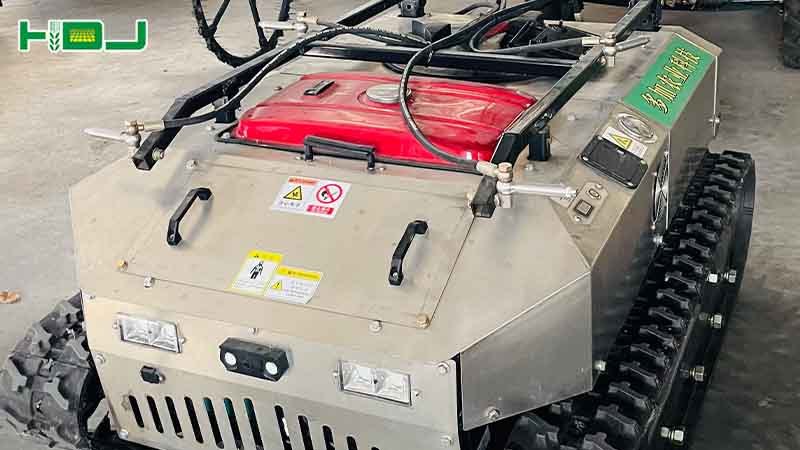
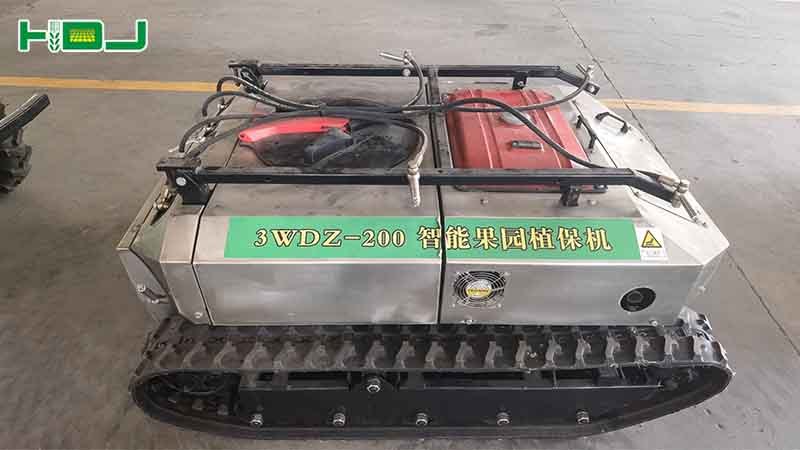
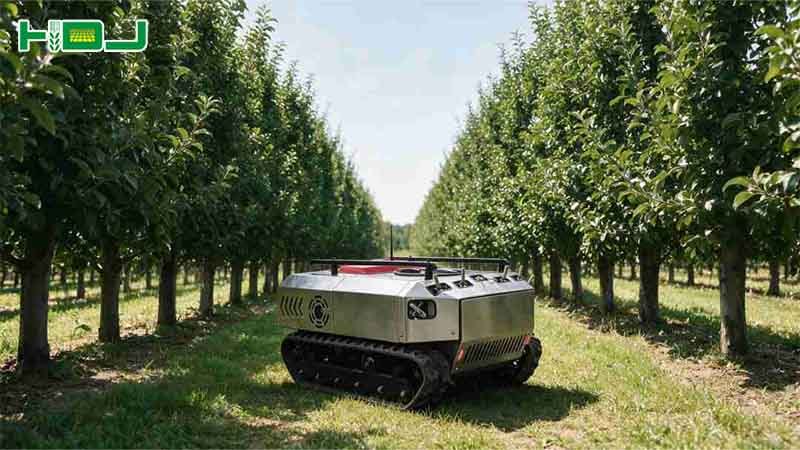
Agricultural Spraying Robots
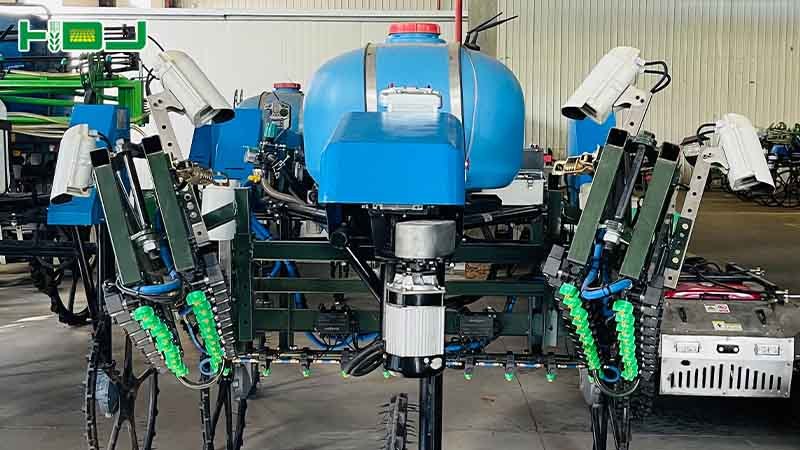
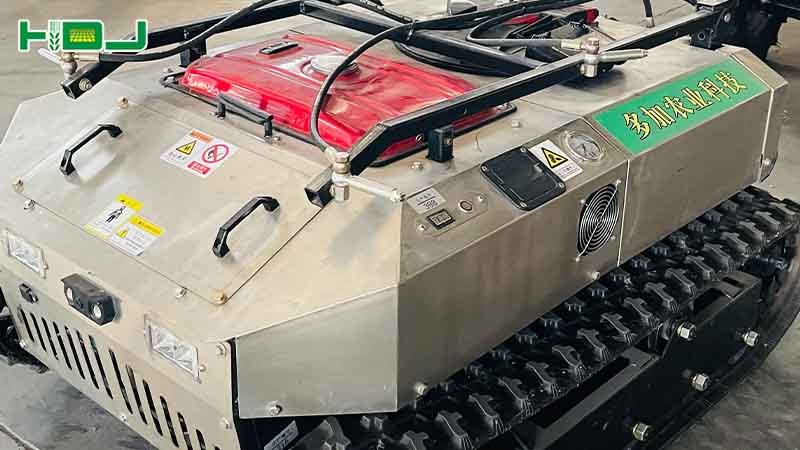
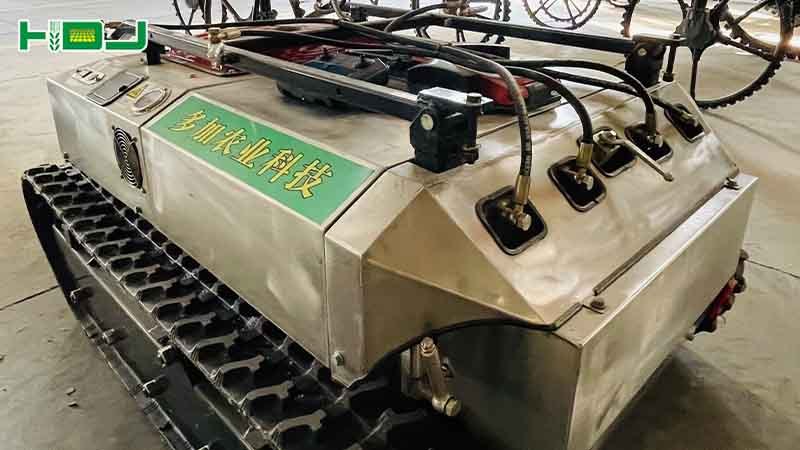
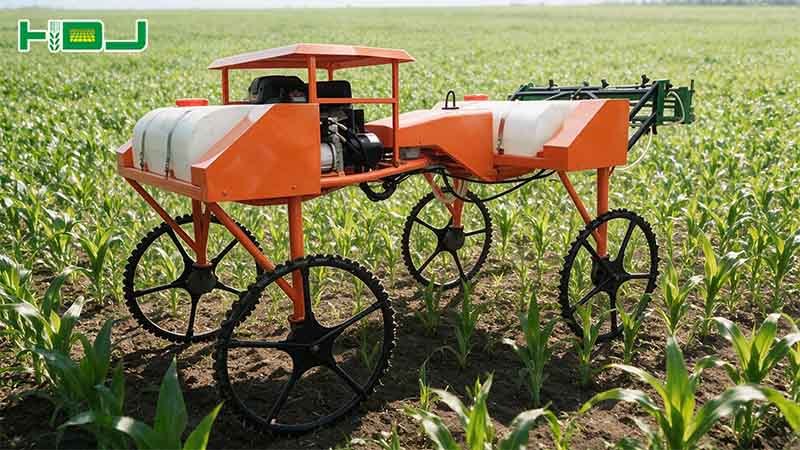
Agricultural spraying robots use a robotic or specialized mobile platform for plant protection operations.
Crawler spraying robots are one example of this equipment category. Their suitability depends strongly on the target application, field environment, crop structure and required machine access.
Duojia's portfolio includes crawler spraying robots for agricultural plant protection applications.
Agricultural Sprayers for Different Farming Applications
Sprayer selection should begin with the agricultural operation rather than the product catalog.
Field Crop Spraying
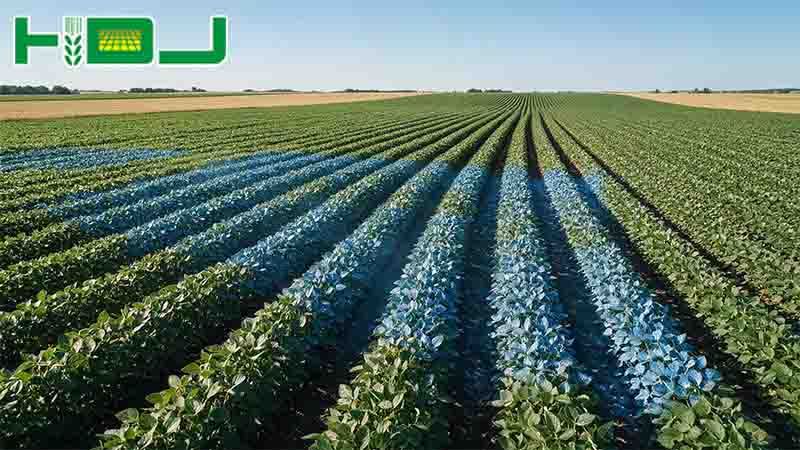
Field crops such as wheat, corn, soybean and other broad-acre crops can require spraying systems capable of covering relatively large working areas.
For these applications, buyers commonly evaluate:
Boom configuration
Nozzle arrangement
Spray distribution
Machine mobility
Field accessibility
Flow and pressure control
Operator requirements
Compatibility with precision application technologies
The appropriate configuration depends on crop conditions and the specific plant protection operation.
Precision Crop Protection
Precision crop protection focuses on controlling how agricultural inputs are delivered rather than simply increasing application capacity.
A precision agricultural sprayer may incorporate technologies such as variable-rate spraying, electronic flow control or PWM-based nozzle control where supported by the equipment.
Duojia's product portfolio includes variable-rate spraying systems and PWM variable-rate nozzles, providing relevant technology options for precision spraying applications.
Challenging or Specialized Field Conditions
Some agricultural operations require more consideration of machine access, operator position or platform mobility.
Remote-control sprayers, unmanned agricultural vehicles and crawler spraying robots can be considered when the operating environment makes alternative machine configurations relevant.
The selection should be based on the actual field conditions and operational requirements rather than assuming that one machine architecture is suitable for every farm.
Key Factors When Choosing an Agricultural Sprayer
1. Crop Type and Crop Structure
The crop determines how the spraying system interacts with the agricultural environment.
Consider:
Crop height
Row arrangement
Crop density
Canopy structure
Growth stage
Required spray target
The machine and spray delivery system should be evaluated against the actual crop rather than selected independently from it.
2. Field Conditions
Field conditions influence machine mobility and spraying consistency.
Important factors include:
Terrain
Soil conditions
Field accessibility
Obstacles
Operating space
Crop arrangement
Seasonal field conditions
A sprayer designed for one operating environment may not be appropriate for another.
3. Spray Coverage
Coverage is one of the central considerations in agricultural spraying.
The buyer should examine how the machine distributes liquid across the intended application area and whether the nozzle arrangement and spraying configuration are appropriate for the crop and operation.
Coverage should be considered together with application consistency rather than treated as a simple measurement of machine width.
4. Flow and Pressure Control
Flow and pressure control influence how consistently liquid reaches the spray nozzles.
For precision spraying applications, buyers should determine what control functions are built into the equipment and how those functions interact with the spraying system.
Where variable-rate or PWM technologies are involved, it is particularly important to understand how the control system manages the application process.
5. Nozzle Technology
Nozzles are a critical part of the spraying system because they determine how liquid is delivered from the machine to the crop.
Buyers should evaluate:
Nozzle type
Nozzle arrangement
Compatibility with the spraying system
Flow-control method
Intended application
Maintenance and replacement requirements
A sophisticated machine cannot compensate for an unsuitable nozzle configuration.
6. Machine Mobility
The machine platform should match the field.
Depending on the project, buyers may compare conventional self-propelled equipment with remote-control, unmanned or crawler-based configurations.
The decision should consider access, terrain, crop conditions, operating requirements and the desired method of machine control.
7. Control and Precision Requirements
Basic spraying equipment and precision spraying systems have different control requirements.
For operations requiring more detailed application management, buyers may evaluate:
Electronic control
Flow control
Variable-rate application
PWM nozzle control
Spraying system integration
Operator control interface
The important point is to evaluate the complete control architecture rather than purchasing a single precision component without considering system compatibility.
Precision Spraying: Beyond the Basic Sprayer
Precision spraying technologies are increasingly relevant when agricultural operations require greater control over application.
A precision spraying system can be understood as a combination of the physical spraying equipment and the control technologies responsible for managing application.
For example:
Agricultural sprayer → spraying system → nozzle technology → flow control → precision application
Variable-rate spraying systems are designed around the ability to adjust application according to the requirements supported by the system.
PWM variable-rate nozzles provide another technology approach for controlling spray output at the nozzle level where the complete equipment configuration supports this function.
Duojia currently lists both variable-rate spraying systems and PWM variable-rate nozzles within its precision spraying product portfolio.
The correct technology depends on the required application method, control architecture and equipment integration.
When Should Buyers Consider Unmanned or Remote-Control Sprayers?
Unmanned and remote-control agricultural sprayers should be considered when the operating method itself is an important part of the project requirement.
Potential evaluation factors include:
Desired operator position
Field accessibility
Machine operating environment
Crop conditions
Required spraying system
Control requirements
Equipment integration
Maintenance and technical support
The term "unmanned" describes an operating concept. It should not be treated as a substitute for evaluating the actual spraying system.
For a procurement team, the better approach is to evaluate the complete machine:
Platform + spraying system + control system + application requirements
rather than selecting equipment based on automation terminology alone.
Agricultural Sprayer Selection: A Practical Buyer Checklist
Before requesting quotations from manufacturers, prepare a clear technical requirement.
At minimum, buyers should define:
Agricultural operation:
What spraying task will the machine perform?
Target crop:
What crop and growth conditions will the equipment encounter?
Field environment:
What terrain, accessibility and operating conditions should the machine handle?
Spraying method:
Is a boom, robotic, remote-control or other configuration required?
Application control:
Is conventional control sufficient, or are variable-rate or PWM technologies required?
Nozzle system:
What nozzle configuration is appropriate for the intended operation?
Machine control:
Should the machine be manually operated, remotely controlled or designed around an unmanned operating method?
Equipment integration:
Does the buyer need a complete machine or specific spraying components?
Customization:
Are there project-specific requirements that cannot be met by standard equipment?
This information allows manufacturers to evaluate the project more accurately and recommend a suitable equipment configuration.
What Should Buyers Ask an Agricultural Sprayer Manufacturer?
A professional procurement process should go beyond asking for the product price.
Useful questions include:
Which agricultural sprayer configuration is appropriate for the intended operation?
What crops and field conditions is the proposed machine designed for?
What spraying system is included?
How is flow controlled?
What nozzle technologies are available?
Is variable-rate spraying supported by the proposed configuration?
Is PWM control available where required?
What machine-control method is used?
Which components are standard and which can be customized?
What technical documentation is provided?
Which spare parts are available?
What technical support is available for international buyers?
Can the manufacturer develop application-specific equipment or components?
These questions help distinguish between a basic product quotation and a technically suitable agricultural machinery solution.
Duojia Agricultural Spraying Equipment
Hefei Duojia Agricultural Technology Co., Ltd. develops agricultural machinery and precision fertilizer and pesticide application technologies. Its current website portfolio includes agricultural sprayers, unmanned boom sprayers, remote-control sprayers, self-propelled sprayers, agricultural spraying robots, crawler spraying robots, wind curtain boom sprayers and precision spraying systems.
The company also develops core components and precision application technologies, including PWM variable-rate nozzles and variable-rate spraying systems.
This combination of complete agricultural equipment and application components can be relevant when a buyer needs to evaluate both the machine platform and the spraying technology as part of the same project.
Product selection should still be based on crop, field conditions, spraying requirements and equipment configuration.
Frequently Asked Questions
What is an agricultural sprayer?
An agricultural sprayer is a machine or equipment system used to distribute liquid agricultural products over a designated crop, soil or agricultural area. It typically combines a liquid supply system, delivery system, flow-control components and spray nozzles with a mobile machine or platform.
What are the main types of agricultural sprayers?
Common configurations include self-propelled sprayers, boom sprayers, remote-control sprayers, unmanned boom sprayers and agricultural spraying robots. The appropriate type depends on the crop, field conditions, spraying operation and required machine-control method.
How do I choose an agricultural sprayer?
Start with the agricultural operation, target crop and field conditions. Then evaluate spray coverage, nozzle technology, flow and pressure control, machine mobility, control requirements, equipment compatibility and potential customization needs.
Are unmanned sprayers suitable for every farm?
No single machine configuration is suitable for every farm. Unmanned sprayers should be evaluated according to field conditions, crop structure, accessibility, spraying requirements and the buyer's preferred operating method.
What is the role of nozzles in agricultural spraying?
Nozzles are the final delivery point of the spraying system. They determine how liquid is converted and distributed for application, so nozzle selection and compatibility with the spraying system are important parts of sprayer configuration.
What is precision spraying?
Precision spraying refers to technologies and equipment configurations designed to provide more controlled agricultural application. Depending on the system, this can include variable-rate spraying, electronic flow control and PWM-based nozzle technologies.
Should I buy a complete agricultural sprayer or a spraying system?
The answer depends on the project. A complete sprayer may be appropriate when the buyer needs an integrated machine, while a spraying system or component may be more suitable when an existing agricultural platform can be upgraded or customized.
What information should I provide when requesting an agricultural sprayer quotation?
Provide the target crop, agricultural operation, field conditions, preferred machine configuration, spraying requirements, control requirements and any customization needs. Detailed project information helps the manufacturer evaluate equipment suitability more accurately.
Conclusion
Choosing agricultural sprayers requires a system-level approach. The correct equipment depends on the relationship between the crop, agricultural operation, field environment, spraying system, nozzle technology, control method and machine platform.
For conventional field operations, buyers may evaluate boom or self-propelled configurations. Where alternative operating methods are required, remote-control, unmanned or robotic sprayers may be relevant. For more controlled application requirements, variable-rate spraying and PWM technologies can be considered where supported by the equipment architecture.
For international B2B buyers, the most useful procurement process starts with clearly defining the application and operating conditions before comparing suppliers, specifications and prices. A manufacturer with experience in both complete agricultural machinery and precision application components can also provide a more integrated basis for equipment evaluation.
If you are evaluating agricultural sprayers for a specific crop, field environment or plant protection operation, provide the application requirements to Duojia for technical equipment selection and quotation discussion.