
Understanding how an agricultural sprayer works helps agricultural machinery buyers evaluate equipment at the system level rather than looking only at the machine itself. For professional buyers involved in field crop spraying, the basic working principle involves delivering a spray liquid through a spraying system and applying it across the intended operating area. DUOJIA develops agricultural spraying equipment, spraying systems, variable-rate spraying components, and related agricultural machinery for different agricultural application requirements.
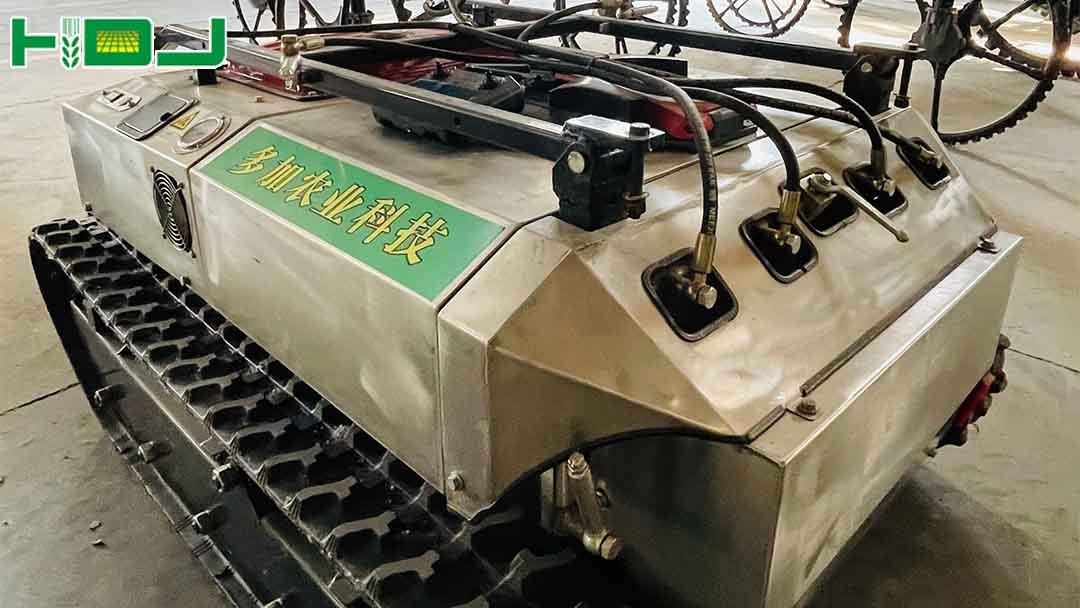
What Happens Inside an Agricultural Sprayer?
An agricultural sprayer can be understood as a coordinated system rather than a single component. In general industry context, its operation involves several basic stages: holding the spray liquid, moving the liquid through the system, controlling its delivery, and releasing it through application components.
The exact configuration varies according to the equipment type and application. However, the operating process can be described in a straightforward sequence.
1. Spray Liquid Is Held in the Equipment
The spraying process begins with the liquid being contained within the sprayer. The tank or liquid-holding part provides the supply for the spraying operation.
The capacity, structure, and configuration of a tank are equipment-specific parameters. They should therefore be evaluated according to the particular sprayer rather than assumed to be the same across all agricultural spraying equipment.
2. The Liquid Moves Through the Spraying System
During operation, the spray liquid needs to move from its storage location toward the application components.
A spraying system generally connects the liquid supply with the components responsible for controlling and applying the spray. This makes the system design important when evaluating how an agricultural sprayer operates.
DUOJIA's documented business areas include agricultural spraying systems, spraying equipment, variable spraying components, and agricultural machinery systems. These areas reflect a system-oriented approach to agricultural spraying technology.
For buyers researching the equipment structure in more detail, DUOJIA's Spraying Systems & Components category provides the relevant equipment category.
3. Spray Delivery Is Controlled
The next stage is controlling how the liquid is delivered for application. General agricultural spraying systems may use different control components depending on the equipment design and intended operation.
Control can be associated with components such as nozzles and other spraying-system components. DUOJIA's product and technology areas include variable-rate nozzles and intelligent spraying control systems.
Variable-rate spraying is particularly relevant when the spraying system is designed to adjust application according to the intended operating requirements. However, the specific control method and technical configuration depend on the particular system and should be evaluated from its documented product information.
4. The Liquid Is Applied Through Spray Components
The final basic stage is application through spray components. Nozzles and related equipment convert the liquid flow into the spray pattern required by the particular spraying system.
This means that understanding how an agricultural sprayer works requires attention not only to the main machine but also to the components that determine how the spray is delivered.
DUOJIA's documented product categories include Variable Rate Nozzles and Variable Spray Systems, which are part of its broader agricultural spraying technology scope.
How the Spraying System Connects to Field Operation
An agricultural sprayer does not operate independently from its intended application. The machine, spraying system, control components, and application method need to work together for the operating requirement.
For field crop spraying, equipment selection can therefore involve more than identifying a machine that can carry and distribute spray liquid. Buyers may also need to consider the type of spraying equipment, the required system configuration, the application objective, and whether variable or targeted spraying technology is relevant.
DUOJIA identifies field crop spraying as one of its agricultural spraying solution areas and also develops field spraying equipment as part of its agricultural machinery portfolio. Buyers can review the Field Crop Spraying application area when connecting the working principle of agricultural sprayers with a specific application.
The equipment category also matters. Agricultural spraying equipment can include field sprayers, orchard sprayers, greenhouse sprayers, mini sprayers, spraying systems, and related components. These categories serve different equipment and application requirements, so the working principle should always be considered together with the intended operating environment.
For field-oriented equipment, buyers can also review DUOJIA's Field Boom Sprayers category.
Why Sprayer Components Matter to Buyers
The working principle of an agricultural sprayer becomes clearer when the machine is viewed as a complete system.
A buyer evaluating spraying equipment should distinguish between the main agricultural machine and the spraying components that support liquid delivery and application. Important areas of evaluation may include:
The type of agricultural spraying equipment
The intended spraying application
The spraying system configuration
The type of spray-control components
Whether variable-rate spraying is required
Whether anti-drift spraying technology is relevant
Whether customized agricultural machinery is required
These considerations are especially relevant for B2B purchasers because the equipment requirement may involve more than selecting a standalone machine.
DUOJIA's documented technology areas include agricultural spraying equipment, variable spraying components, spraying systems, control systems, and anti-drift spraying solutions. The company also provides customized agricultural machinery products and solutions according to specific customer requirements.
For buyers interested in the broader relationship between boom equipment, system operation, and agricultural applications, the related article Agricultural Boom Sprayers: Types, Working Principles and Applications provides a relevant internal resource.
Frequently Asked Questions
How does an agricultural sprayer work?
In general, an agricultural sprayer holds spray liquid, moves it through the spraying system, controls its delivery, and applies it through spray components such as nozzles. The exact configuration depends on the equipment and application.
What is an agricultural spraying system?
An agricultural spraying system is the group of components used to move, control, and apply spray liquid as part of agricultural spraying equipment. DUOJIA's documented business areas include agricultural spraying systems and related components.
Are variable-rate spraying systems part of agricultural spraying technology?
Yes. Variable-rate spraying is one of DUOJIA's documented agricultural spraying solution areas, and its product categories include variable-rate nozzles and variable spray systems.
Does DUOJIA manufacture agricultural spraying equipment?
Yes. Hefei Duojia Agricultural Technology Co., Ltd. is identified as an agricultural machinery manufacturer specializing in the research and development, manufacturing, sales, and service of intelligent agricultural machinery, agricultural spraying equipment, related components, and spraying systems.